
HEALTHCARE · WEB · DUBAI
Healthcare Website Development in Dubai: Design the Patient Journey, Not a Brochure
A practical blueprint for Dubai clinics and healthcare groups building a trusted website that connects service discovery, physician choice, booking and patient acquisition.
Start here.
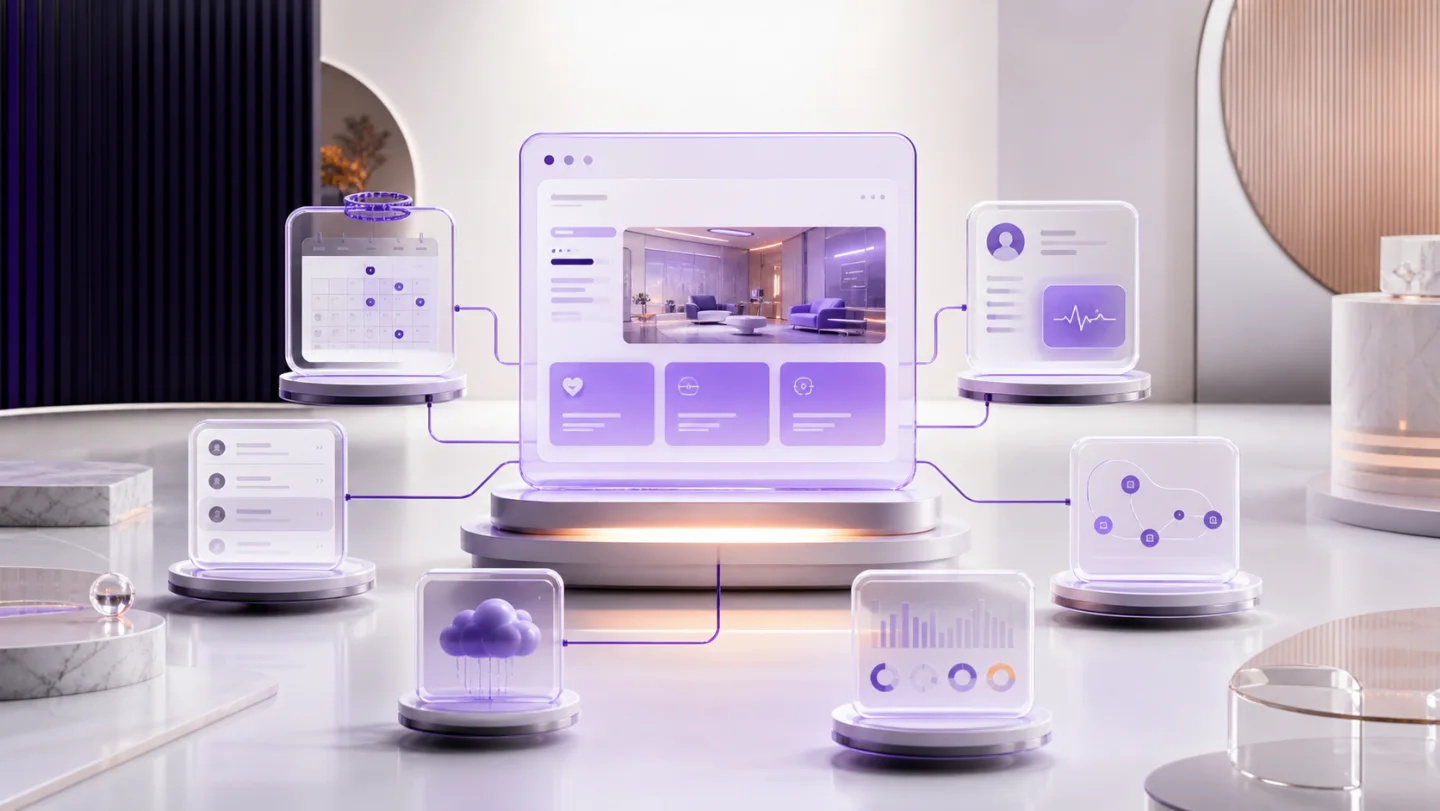
A high-performing healthcare website in Dubai should help a person understand the right service, evaluate the relevant clinician or facility, book through an accurate operating schedule and know what happens next. The commercial website and the care operation cannot be designed separately: service content, availability, consent, language, CRM routing and measurement must agree before the interface can earn trust.
Explore website strategy, ux design and development ↗Three choices to settle first.
Make the next safe step obvious
Every service page should resolve suitability, location, clinician context, price or insurance expectations, and the correct booking route.
Assign every changing fact
Clinician profiles, schedules, services and preparation instructions need named owners and a review cadence.
Measure attended care
Connect acquisition to confirmed and attended appointments instead of optimizing around raw form submissions.
Organize the site around patient decisions
A clinic may think in departments, practitioner rosters and internal service codes. A patient thinks in a different sequence: what is happening, which service may be relevant, who can help, where the appointment takes place and how soon it can happen. The information architecture should translate the operating model into that decision path without pretending to provide a diagnosis.
Begin with the highest-value and highest-frequency journeys. A dental group may need emergency, preventive, cosmetic and specialist routes. A multi-specialty clinic may need symptom-aware guidance that remains informational and directs the person to a safe booking or contact route. Each journey should have an explicit content owner and escalation path.
- Service selection without unsupported medical promises
- Clinician choice with verifiable credentials and availability context
- Location, access, language and insurance information
- Preparation, cancellation and follow-up expectations
- A visible route for urgent or unsuitable requests
Build a governed healthcare content model
Healthcare content changes at different speeds. Brand positioning may remain stable for months, while clinic hours, practitioners and bookable slots can change daily. Separate these layers in the CMS and define who may publish or approve each one.
Avoid copying the same service paragraph across every location. Model the shared clinical service once, then attach location-specific availability, practitioners, preparation notes and booking rules. This reduces inconsistency and prevents search pages from competing with near-identical copies.
| Content layer | Typical fields | Operational owner |
|---|---|---|
| Service | Purpose, suitability, preparation, FAQs | Clinical / content lead |
| Practitioner | Credentials, languages, specialties, locations | Credentialing / operations |
| Location | Hours, access, services, contact routes | Clinic operations |
| Availability | Date, duration, channel, eligibility | Scheduling system |
| Acquisition | Campaign, consent, source, appointment outcome | Marketing / CRM |
Treat booking as a connected operational handoff
A prominent Book Now button is not enough if it opens a generic calendar that does not know the selected service, clinician or location. Preserve that context through booking and into the patient or CRM record. If the requested slot is not available, offer an accountable waitlist or callback path instead of a dead end.
The website should never promise an appointment the operating system cannot honor. Define slot ownership, buffers, room or equipment dependencies, eligibility rules and manual approval states before designing the calendar. The separate guide to clinic booking systems explains this operating layer in detail.
- Pass service, clinician, location and campaign context into booking
- Show only supply the clinic can reliably honor
- Confirm timezone, channel and preparation requirements
- Route exceptions to a named team with a response target
- Write appointment status back to analytics and CRM
Make trust visible in English and Arabic
Trust is a product quality, not a decorative badge. Use clear facility identity, verifiable practitioner information, explicit contact details, accessible privacy information and precise claims. Avoid stock imagery that implies results the clinic cannot substantiate.
For an English–Arabic experience, design the service taxonomy and navigation in both languages. Right-to-left layout, line length, numeral treatment, forms and calendar controls require real QA. Translation alone does not create an equivalent patient journey.
Connect marketing to appointment outcomes
Page views and form submissions are early signals. A healthcare group should also understand which enquiries become confirmed appointments, which appointments are attended and which service or location receives low-quality demand. That requires agreed identifiers and status feedback from the booking or CRM system.
Collect only the data needed for the declared purpose and review the final design with qualified privacy, legal and clinical owners. The UAE government portal describes federal personal-data protections and specific regulation of ICT use in health fields; local authority requirements and the clinic's own obligations must also be confirmed.
A credible first release
A strong first release can focus on the most commercially important services, the locations that can maintain accurate schedules and one complete booking path. It does not need to expose every internal system on day one.
Axiom Forge recommends launching with a content governance register, analytics event contract and operational acceptance checklist. This makes future location, service and language expansion a controlled product decision rather than another redesign.
HOW AXIOM FORGE CAN HELP
Turn the guidance into an accountable product plan.
Axiom Forge connects product direction, UX, design and engineering for website strategy, ux design and development. Start with the business outcome, the people who must use the product and the operating constraints behind it.
DECISION SUPPORT
Questions leaders ask.
01How long does a custom healthcare website in Dubai take?+
A focused custom website commonly needs 10–16 weeks after service scope, content ownership and booking integrations are defined. Multiple facilities, Arabic content, migration and complex approvals can extend the schedule.
02Should a clinic website connect directly to its booking system?+
Usually yes when the source can expose reliable availability and accept the required context safely. If it cannot, use a controlled request flow with a clear confirmation step rather than displaying inaccurate live slots.
03Can Axiom Forge provide medical or legal compliance approval?+
No. Axiom Forge designs and engineers the digital product and can translate approved requirements into workflows. Clinical, legal, privacy and regulatory approval must come from qualified owners and advisers.
EVIDENCE
Sources & further reading.
- 01Dubai Health Authority — Digital Platforms ↗
- 02Dubai Health Authority — Policies and Regulations ↗
- 03UAE Government — Data Protection Laws ↗
- 04W3C — Web Content Accessibility Guidelines ↗
Written by Gevorg Antonian and reviewed under the Axiom Forge editorial standard. Public sources are linked above. Cost ranges are planning guidance, not a fixed quotation. Legal, compliance and financial decisions should be reviewed by qualified advisers. Read our editorial and research policy.



Loading published comments…